Programs & pathways
Choose from community colleges, four-year universities and graduate schools. Many undergraduate programs allow exploration before declaring a major, while graduate study is usually more specialised.
Explore flexible programs, world-class research and a vast network of institutions with a plan shaped around your profile.
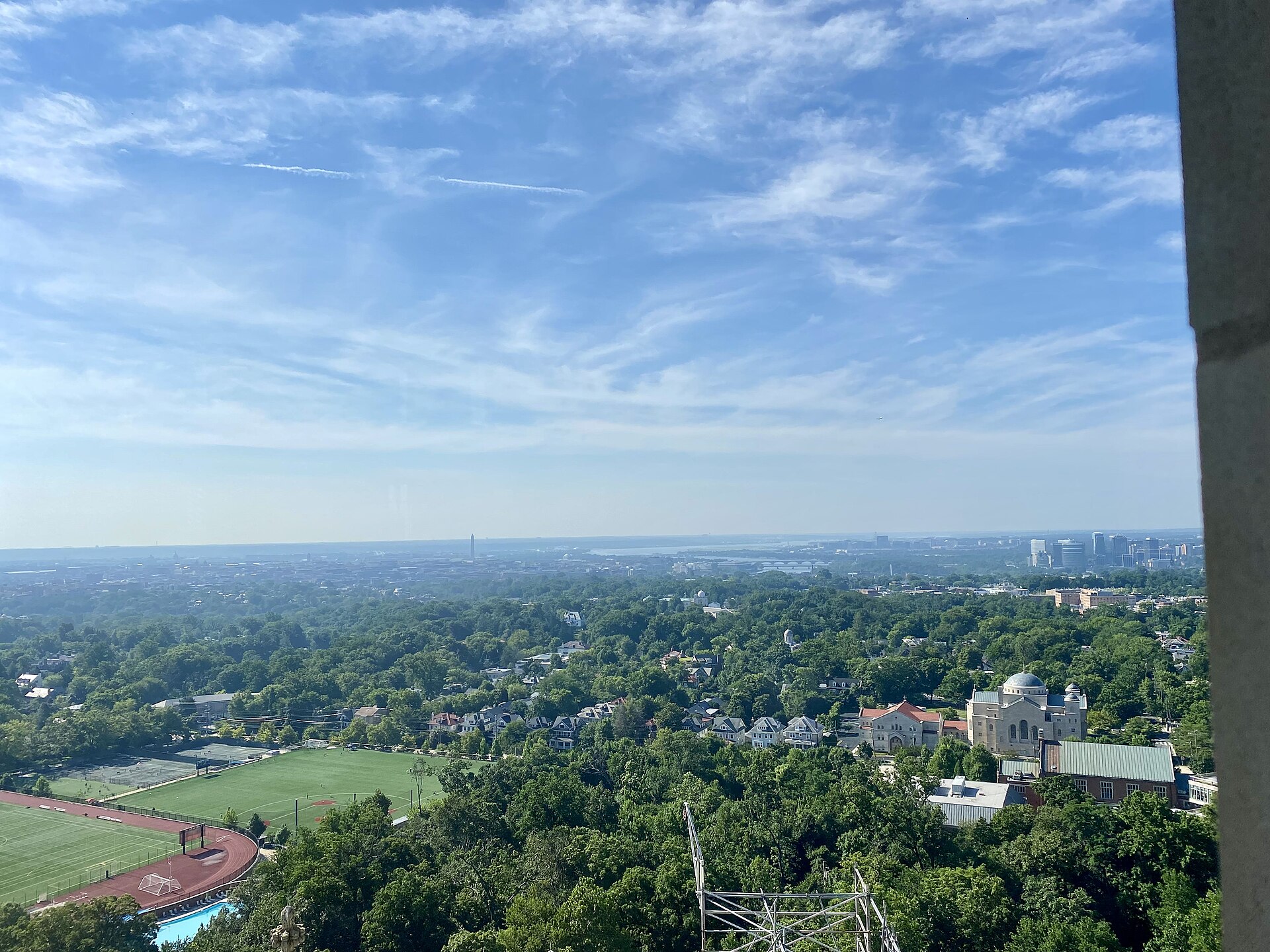
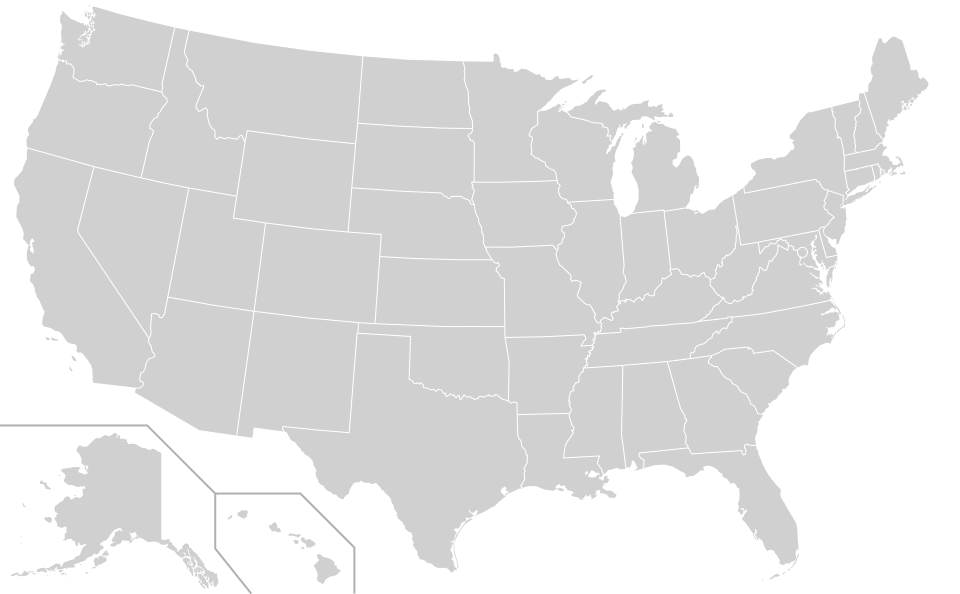
Explore distinctive academic communities across the East Coast, West Coast, Midwest and South.

US institutions offer broad academic choice, flexible study paths and opportunities to learn within diverse, innovation-led communities.
Choose from community colleges, four-year universities and graduate schools. Many undergraduate programs allow exploration before declaring a major, while graduate study is usually more specialised.
Budget for tuition, housing, meals, insurance, transport and personal expenses. Scholarships and assistantships vary by institution and are competitive, so early applications matter.
Institutions may assess transcripts, English scores, standardised tests where applicable, personal essays, recommendations, finances and evidence of academic progression.
Federal rules set work permissions, while costs and insurance are largely institution-specific.
Eligible F-1 students may generally work on campus up to 20 hours weekly while school is in session and full-time during official breaks. Off-campus work needs specific authorisation.
SEVP employment guidance ↗Eligible students may receive up to 12 months of Optional Practical Training related to their study; qualifying STEM graduates may seek a 24-month extension.
SEVP practical training ↗There is no single national living-cost figure. Before the Form I-20 is issued, students must show ability to cover the school’s estimated tuition and living expenses.
DHS student guidance ↗The F-1 category has no single nationwide student-insurance price. Many institutions require a school plan or approved equivalent, so compare premiums, deductibles and coverage.
US healthcare guidance ↗Always consult the school’s Designated School Official before working. Authorisation, program eligibility and institutional costs differ by student.

Requirements and immigration rules can change. ARC verifies current institutional and official guidance for each applicant.